


Landlord vs. Tenant Responsibilities (and What Happens When Something Breaks)
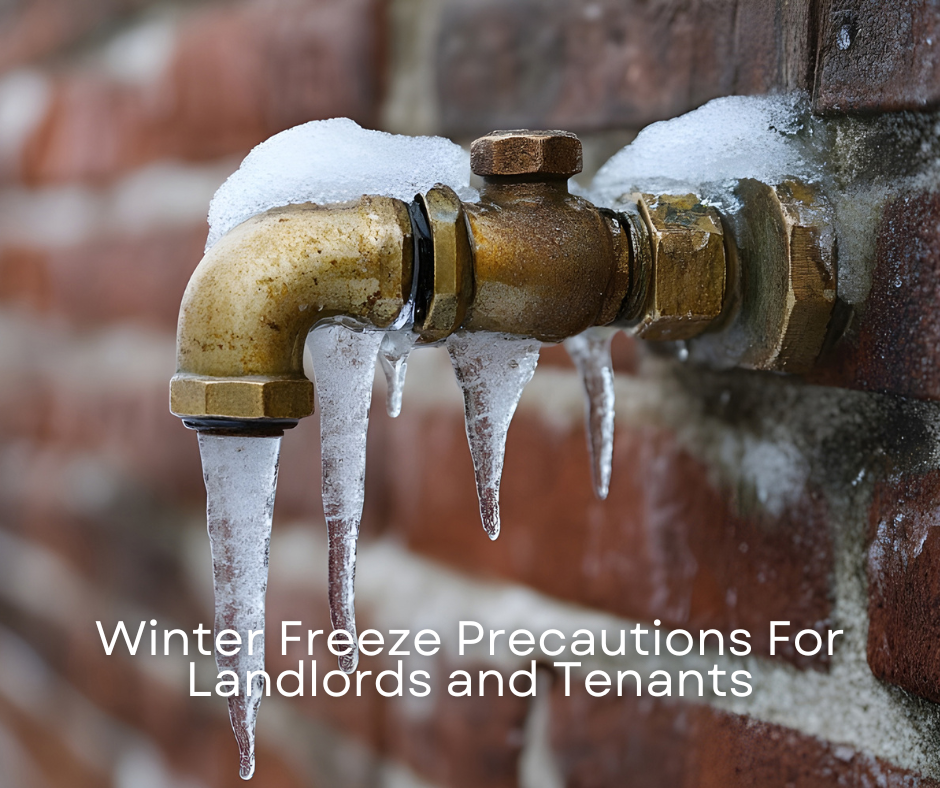
Houston winters are unpredictable. Most years, we get mild weather and a few chilly nights. Then a hard freeze shows up for a day or two and suddenly we are dealing with burst pipes, flooded ceilings, damaged floors, and expensive emergency plumbing calls.
Every winter we send notices, reminders, and step-by-step freeze-prep tips. Even so, one question keeps coming up when something fails:
“If the sprinkler system or backflow preventer busts during a freeze, who is responsible?”
The honest answer is that it depends on the lease, the condition of the equipment, and whether reasonable precautions were taken. Here is a clearer breakdown of how responsibilities typically work in Houston rentals.
Why Freezes Cause So Much Damage in Houston Homes
Many Houston properties are not built for sustained freezing temperatures. Common freeze-related vulnerabilities include:
Exposed exterior pipes at hose bibs, garages, and side yards
Irrigation components above ground, including backflow preventers and valves
Attics and exterior walls with plumbing that can chill quickly
Older fittings and valves that fail under pressure when ice expands inside the line
Delayed detection, because damage is often not visible until the system thaws and water is turned back on
Freeze damage also tends to escalate fast. A small crack can become a major leak the moment pressure returns.
What Property Managers Do Before a Freeze
A property manager’s job before a freeze is to reduce risk through communication, documentation, and guidance. This typically includes:
Monitoring forecasts and issuing alerts when freezing temperatures are likely
Sending freeze warning emails and texts with clear timelines (when to start dripping, when to stop)
Providing step-by-step instructions, often with short videos or illustrated checklists
Reminding residents to protect plumbing, including hose bibs, exposed pipes, and cabinets on exterior walls
Sharing sprinkler and backflow precautions, especially for properties with exposed backflow devices
Giving emergency reporting instructions, including what to do after hours if a pipe bursts
What we cannot do is physically winterize every occupied home. Residents control the thermostat, access to cabinets and faucets, and day-to-day actions inside the home.
Need an expert property manager to take care of your Houston investment home? Contact us by emailing Info@AreaTexas.com or call us at 713.972.1222.
Tenant Responsibilities During a Freeze
Most Texas residential leases place day-to-day preventive steps on the tenant, especially during extreme weather. Many leases used in Houston, including Texas Association of REALTORS® forms, require residents to take reasonable steps to prevent freezing and water damage.
Tenants are generally responsible for:
Taking reasonable precautions to prevent frozen pipes
Dripping faucets when temperatures are at or below freezing for extended periods (as instructed)
Maintaining heat in the home, including overnight and during absences
Opening cabinet doors under sinks on exterior walls to let warm air circulate
Knowing where the main water shut-off valve is located and how to operate it
Promptly reporting leaks, loss of water pressure, unusual sounds, or visible damage
Many leases also specifically require tenants to:
Take necessary precautions to prevent broken water pipes due to freezing
Know the location and operation of the main water shut-off valve
Notify the landlord promptly of repairs needed
Bottom line: freeze preparation is typically an active tenant responsibility. If a resident ignores instructions and damage occurs, liability can shift.
Practical freeze steps residents should follow (typical guidance)
Your property manager may provide slightly different instructions depending on the home, but common best practices include:
Keep the thermostat at a safe minimum temperature, even if leaving town
Drip the appropriate faucets (often the farthest fixture from the main line)
Remove and store garden hoses, then cover exterior spigots
Open sink cabinets on exterior walls
Report any water pressure changes or visible leaks immediately
Landlord Responsibilities
Landlords are generally responsible for repairs related to:
Structural plumbing issues and systems owned by the property
Normal wear and tear
Failures caused by age, corrosion, or defective components
Repairs when damage occurs despite reasonable tenant care
If a pipe, valve, or component fails because it was already worn out, corroded, or improperly installed, that is usually a landlord responsibility even if the failure happens during a freeze.
Read more about Preventative vs Reactive Rental Property Maintenance here.
Backflow Preventers and Sprinkler Systems: Why This Is a Gray Area
Backflow preventers are a very common freeze failure point in Houston. This is where things get tricky.
Why backflow devices are vulnerable
They are often above ground and fully exposed
Many have brass components that can crack under freeze pressure
Internal parts can fail even if water appears drained
Damage is often not visible until the system is pressurized again
Why responsibility is not always clear
Even if a tenant:
follows instructions,
keeps heat on,
takes reasonable precautions,
A backflow preventer can still fail due to age, corrosion, prior stress, or outdated components. In those cases, it may be difficult to claim tenant negligence.
On the other hand, if the resident ignored clear guidance (for example, leaving the home unheated, not dripping when instructed, or not reporting a leak promptly), responsibility can shift.
How Responsibility Is Typically Determined
When freeze damage occurs, we usually evaluate the situation using a few key questions:
Were freeze instructions provided clearly and on time?
Did the tenant follow the instructions that apply to the home?
Was the home kept at a reasonable temperature?
Was the issue reported promptly, or did the leak continue for hours or days?
Does the failure match aging infrastructure or a defective component?
Is there documentation from a plumber indicating the likely cause (freeze expansion vs. corrosion/wear)?
Typical outcomes
Tenant took reasonable steps + failure appears age-related: landlord typically pays.
Tenant failed basic precautions or delayed reporting + damage worsened: tenant may be responsible for some or all costs.
Mixed factors: cost allocation can be case-by-case, often guided by the lease and vendor findings.
Why Clear Communication Matters (for Everyone)
Freeze events are stressful and expensive. The best outcomes usually come from strong communication and clear expectations:
Advance notice helps residents take action
Written instructions reduce confusion and disputes
Prompt reporting limits damage and repair costs
Documentation supports insurance claims when applicable
The goal is not to place blame. The goal is to prevent damage, protect the home, and keep residents safe.
Key Takeaways
Houston freezes can cause major damage in a short time.
Tenants typically have an active responsibility to follow freeze-prep instructions and report issues quickly.
Landlords are generally responsible for failures tied to age, wear, or defective components.
Backflow preventers and irrigation components often fall into a gray area because they are exposed and frequently older.
Most disputes are resolved by documenting what instructions were provided, what precautions were taken, and what the vendor finds.
Why Having an Expert Houston Property Management Company Helps Protect Your Investment Home
Freeze events are a perfect example of why getting a local property management team matters. A good property manager reduces risk before the freeze and reduces costs after the freeze.
A great property management team in Houston helps by:
Keeping track of local weather forecasts
Sending timely, legally consistent notices that match your lease requirements
Providing clear, repeatable resident instructions that improve compliance
Responding quickly to emergencies with established escalation procedures
Using vetted plumbing and irrigation vendors who can document cause and severity
Coordinating repairs efficiently to minimize downtime and prevent secondary damage (mold, drywall collapse, flooring loss)
Keeping maintenance history so age-related failures are identified and addressed before the next cold snap
Supporting insurance claims with documentation, photos, invoices, and timelines when needed
Reducing disputes by applying the lease consistently and keeping communication in writing
Your rental is an investment. During weather events, that investment is either protected by preparation and fast response, or it becomes a costly emergency. Professional Houston property management is not just about collecting rent. It is about protecting the asset, reducing operational surprises, and keeping your home performing like a business.
Need help from property management experts in Houston? AREA Texas Realty & Management can guide you through pricing strategy, marketing, and make sure your properties stay secure and profitable. Contact us by emailing Info@AreaTexas.com or call us at 713.972.1222.